Big Island

We went to Hawaii last August. One full week touring around the Big Island. We snorkled at night with the manta rays. We did a stargazing tour at the foot of Mauna Kea. We stood on the southernmost point in the US. We visited a National Park. We snorkled some more, then some more.

It was nice. New favorite island.

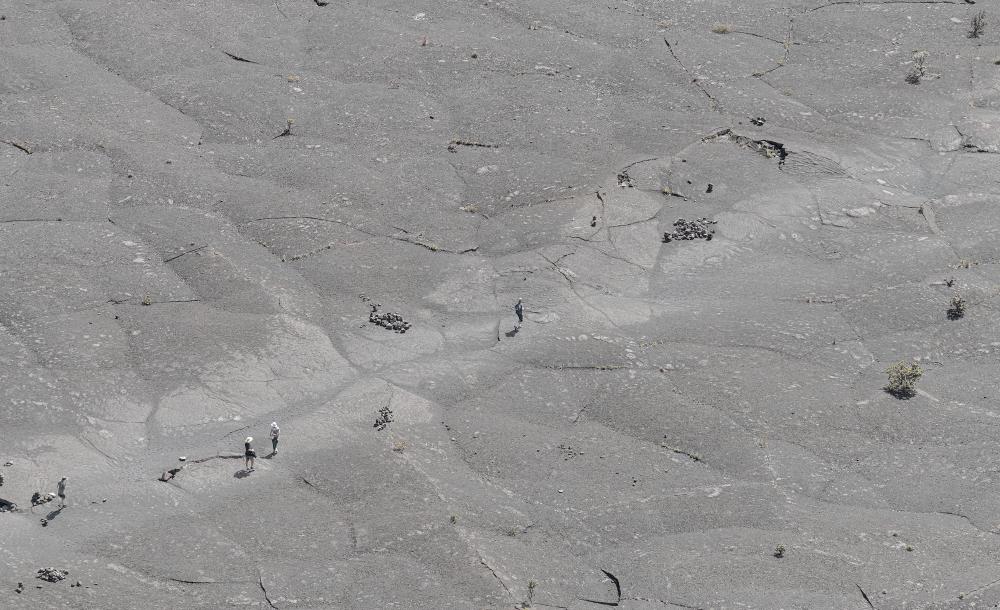
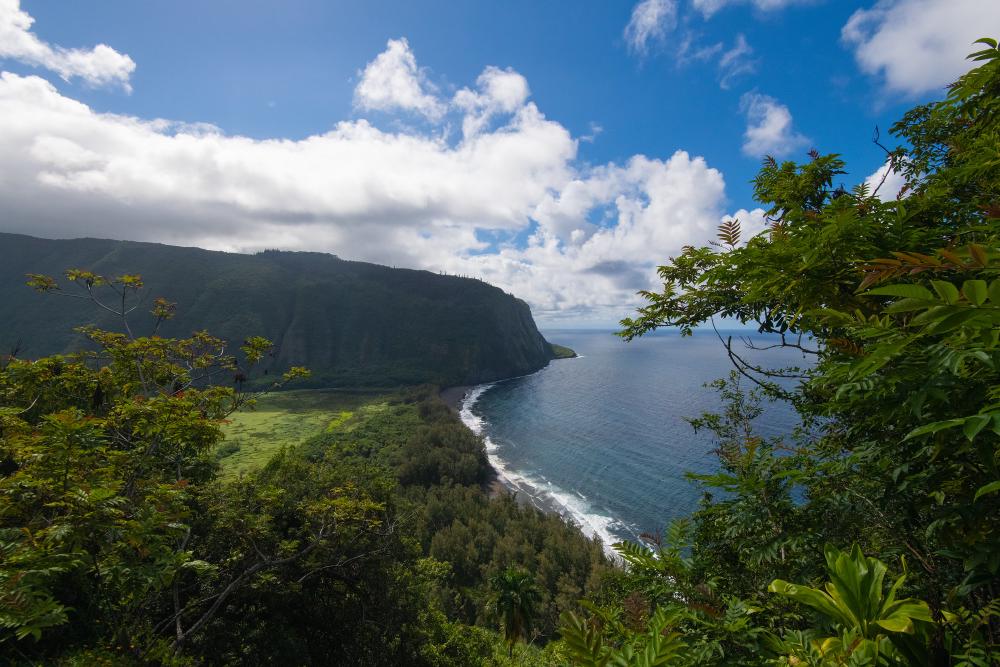
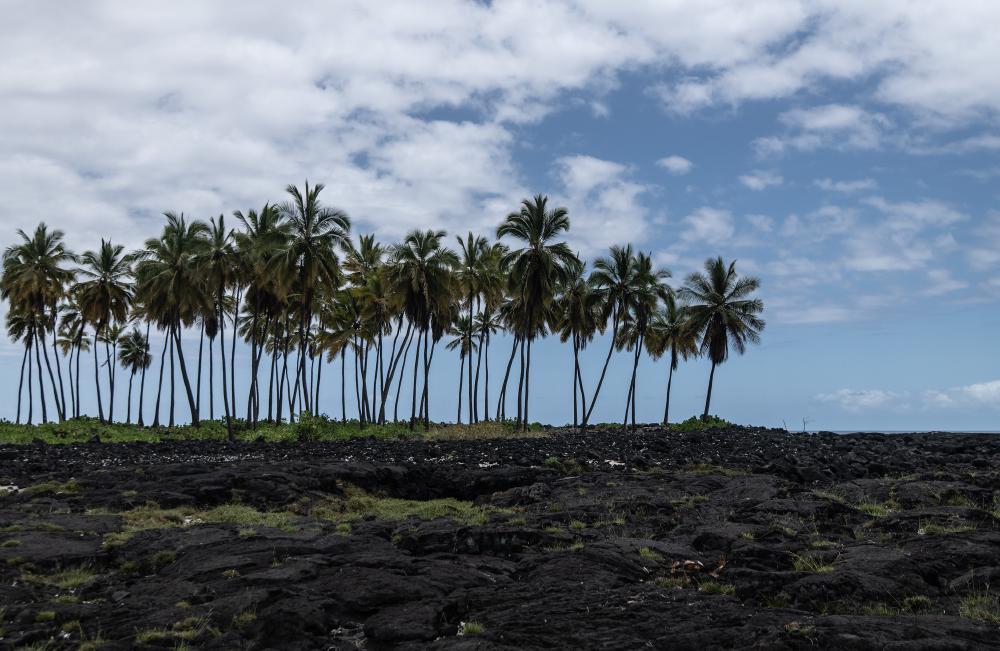
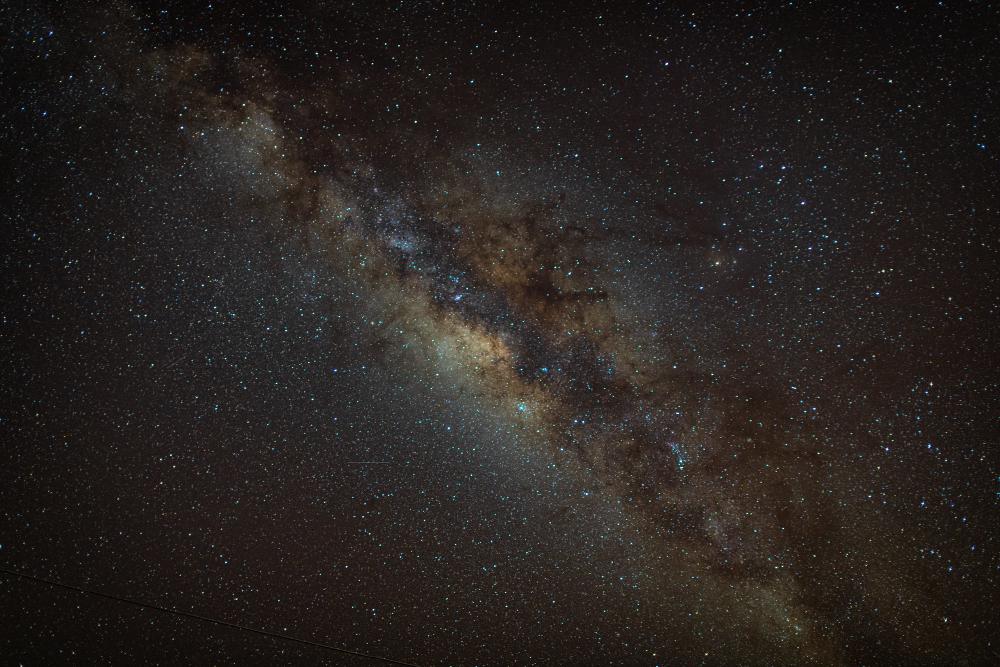
Palm Trees The Milky Way People walking in the Kīlauea Iki Crater Waipi'o Valley

Full album.

Book burnings are bad, actually

It’s been a pretty uneventful last couple of weeks — we’ve been mostly staying home since our weekend in Big Sur, working through a backlog of things that just need to get done and doing some KonMari’ing of the apartment. In spite of being a huge procrastinator, I recognize the inherent satisfaction that comes with burning down a list of things that have piled on over months. Like replacing our flush, which had been defective for weeks: this took less than 30 minutes and now we have a working flush. Sometimes, it’s the small things.

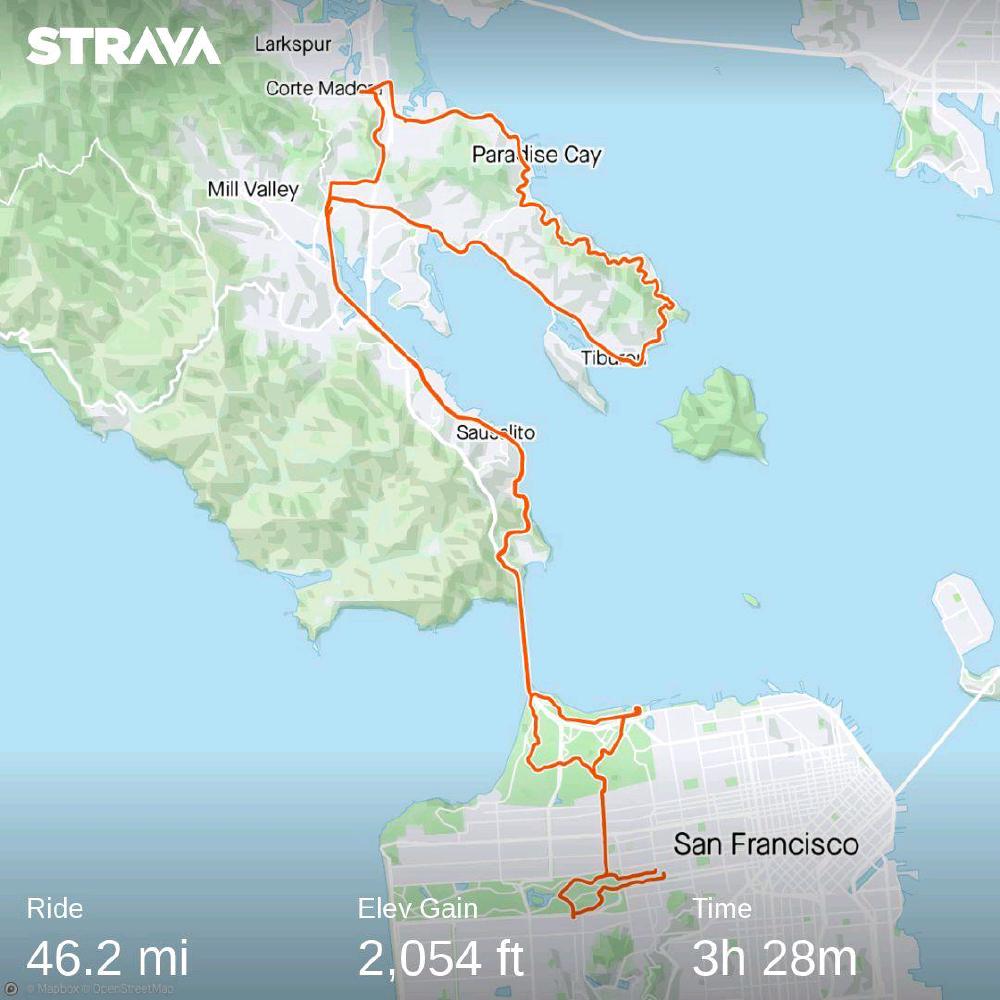
Even though I’m unlikely to actually be on the AIDS/Lifecycle this year, I decided to ramp up my cycling volume by attending the Sunday PosPeds training series. I’ve been on two rides to Tiburon thus far and hoping to be able to keep up with a weekly-ish cadence. The rides and the people have been lovely, I’m happy to see that the pandemic hasn’t made a dent in people’s motivation.

Map of a bike ride from San Francisco to Tiburon

After about a year of sitting on a draft, I’ve finally reworked and published the article about my experience interviewing for a software job back in the second half 2020. It ended up being much too long but I hope it can be a helpful reference for others who go through that process — and if not, it’s a helpful memorialization of what that process was like for me.

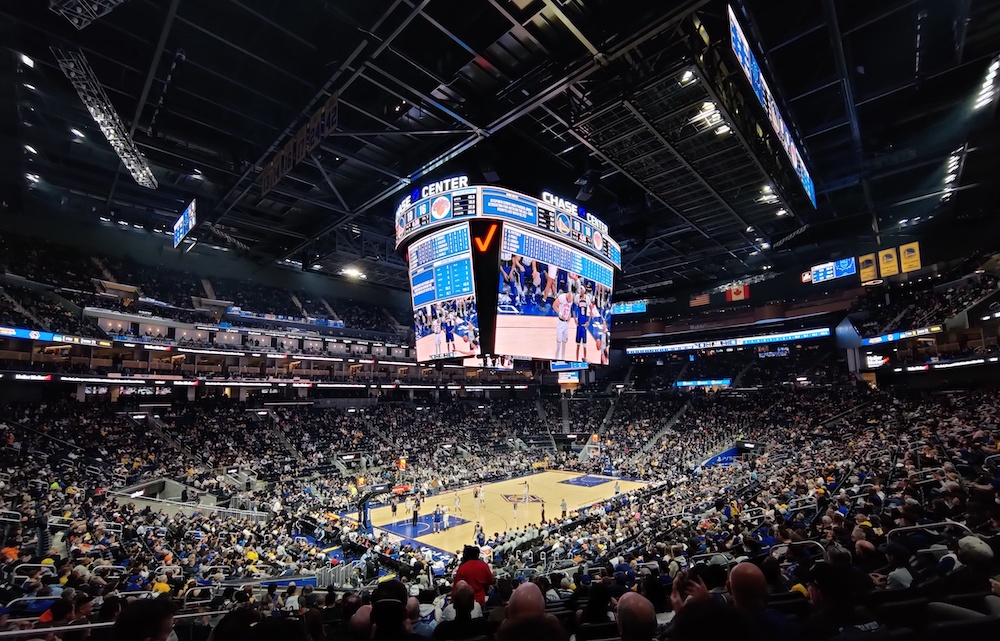
On Thursday night, we went to our first Warriors game ever. They played the Knicks and narrowly lost the game — which was an upset. I was afraid the Chase Center would be a bit sterile and soulless but that’s not the case. 5 out of 7, would do again, despite the ticket prices.

The Warriors v. Knicks game

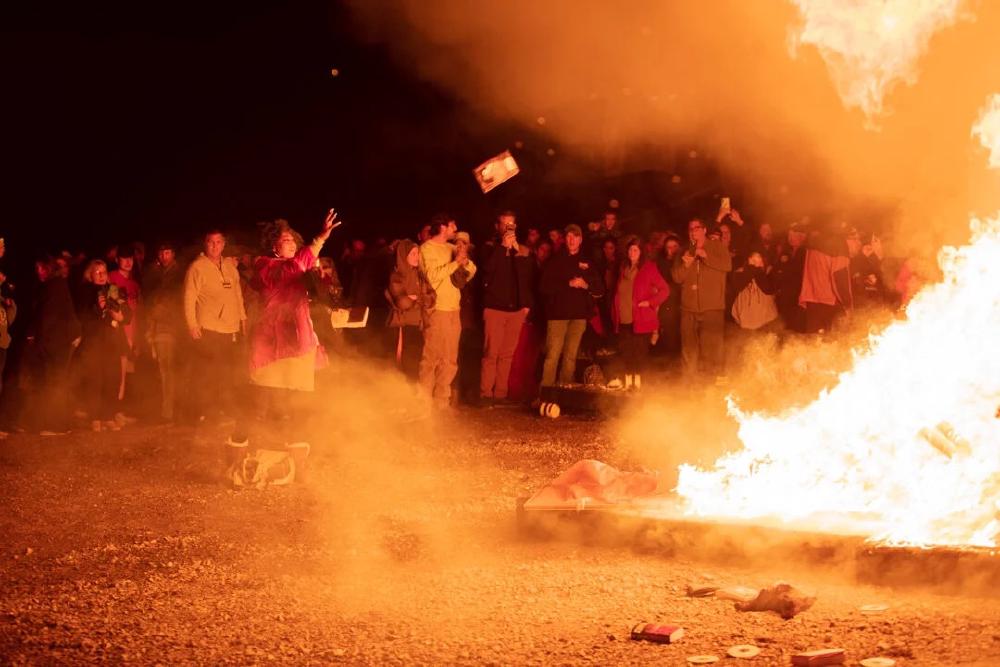
A completely different topic which caught my attention over the last couple of weeks: Maus was recently banned in some Tennessee schools, and the state is also where book burnings recently took place. Yes, you read that right: book burnings. I really wonder what people who organize these think of themselves? “Oh, sure, we’re burning books, but you shouldn’t compare us to those other people who burned books in the past—we’re nothing like them. No, you see, this is different because Harry Potter is actually truly worth cremating.

A book burning in Mt. Juliet, Tennessee
A book burning in Mt. Juliet, Tennessee — Credit: Tyler Salinas (source)

Fabricating moral panics is a trademark move of conservatives to rally their base, and that’s precisely what they need to do in order to install more people in local governments. Gruber posited that such an action is bound to never meet its goal, because it actually is free publicity for a book that you can purchase today on Amazon.

This stance has a disturbing smell of hubris ("this can’t happen here, this is America") and short-sightedness ("the market will solve this"). Even assuming censorship doesn’t work as intended in practice, why is side-stepping outrage the desirable outcome here? The end goal is not to ban Maus, it’s to dog whistle to other school boards and anyone with a modicum of power that the season is open.

I do appreciate that, back in the 90’s, the Parental Advisory label put on CDs was a decent signal that this was probably good music. But trusting that other mechanisms will naturally correct for censorship policies is lazy, not to speak of the cost to people who can no longer find the books they want in their local library.

Autocrats have, time and again, succeeded at taking away knowledge they deem deviant from their people, including in societies that were previously educated and cultured. Showings of strength and violence work, and the market will happily follow along: all it takes is for the interest of market makers to align with the party responsible for the moral panic.

It shouldn’t be hard for liberals to take a simple moral stance on topics such as censorship and to combat them on such grounds. Book burnings are bad, actually.

Land of contrasts

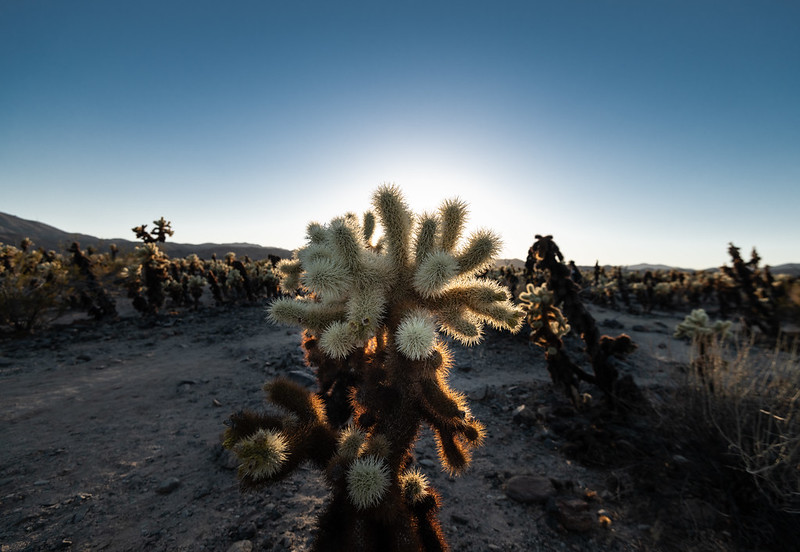
In May last year, we went on a trip to southern California over an extended weekend. Our primary target was to visit Channel Islands National Park, which had been on the to-go list for a long while. We wanted to spend at least two or three days on the island but the logistics made that hard, so we had to split that time in two separate visits. With the two days we had in the middle, we decided to pay a visit to Joshua Tree National Park.

Cholla cactus at sunset

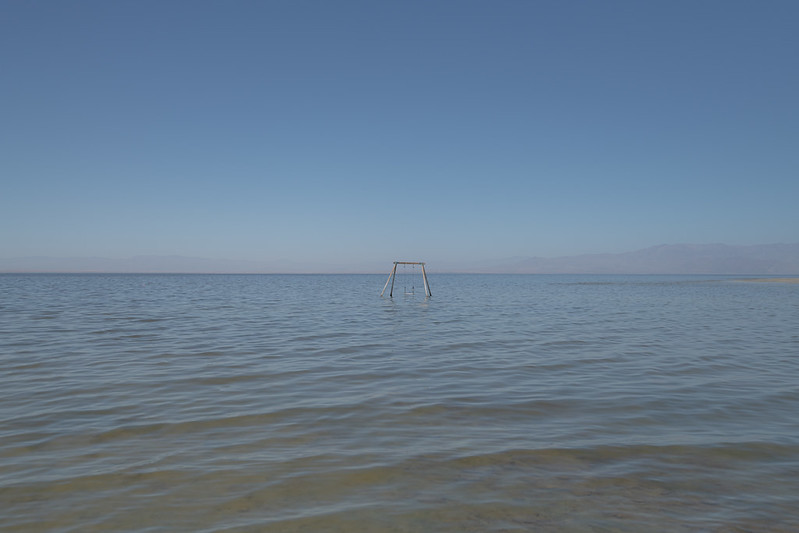
We originally budgeted two days in the park but decided to cut it short and drove south to the Salton Sea instead. If you’re not aware of this place, it was the topic of a great 99 Percent Invisible episode. Long story short: people in the early 1900’s made a mistake when working on the Colorado river and created the vastest body of water in California by accident.

After a brief moment in time where the area was developed as a tourist destination for Angelenos, the lack of fresh water and the pollution from agricultural runoff caused the salinity of the lake to spike, rendering the area inhospitable for animals and humans alike. People left in droves, abandoning fancy hotel buildings to rot as the water receded away from them. The handful of people who couldn’t leave or decided to stay in Bombay Beach must deal with the post-apocalyptic nature of the place.

A swing sitting in the Salton sea

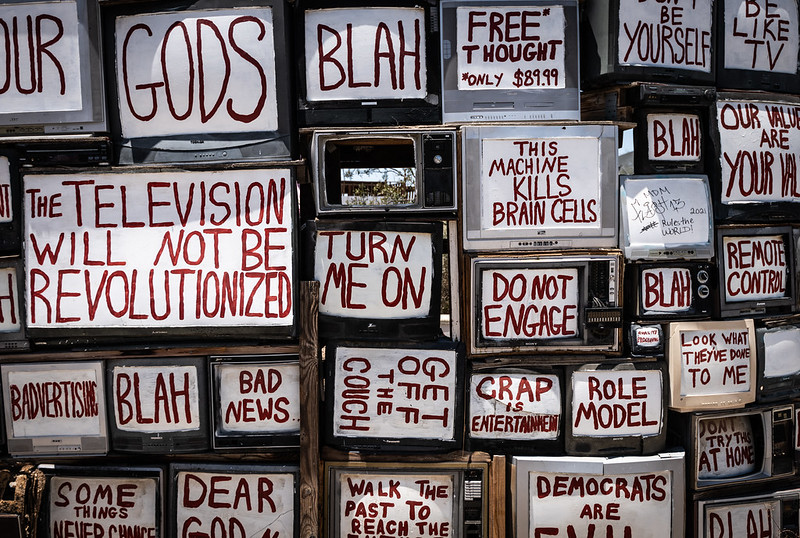
Today, the Salton sea is the stage for a fast-moving ecological collapse, with only few animal species on their last leg. Interestingly though, the area also became home to a handful people living off-the-grid, bunched up together in settlements in the middle of nowhere, making art.

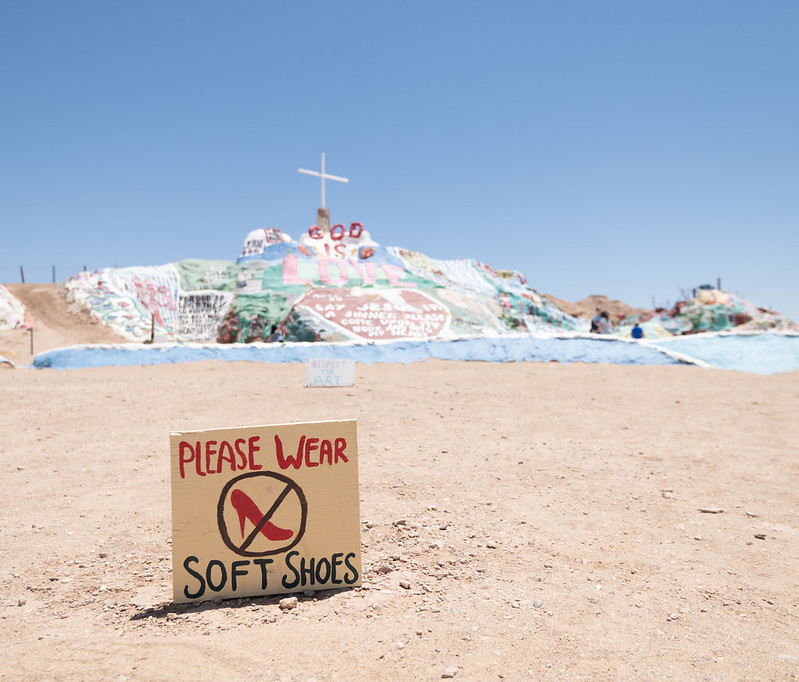
TVs stacked as wall and painted over with anti-television messages A sign in front of the Salvation Mountain, a painted sand monument to God, asking visitors to wear soft shoes

Once our time ran out, we headed back to the coast. On the second visit to Santa Cruz island, we spent the night at Scorpion Ranch, a campground close to the coast and surrounded by adorable little red foxes. The land covered by Channel Islands NP is deliberately underdeveloped, as the park authority made the decision to focus on the preservation of the natural habitat.

There are no roads, no cars, and the few buildings are reserved for park staff. The island was once inhabited by farmers but stewardship transferred over to the NPS in the second half of the 20th century. We went of a couple of hikes and did a kayak tour of the sea water caves.

The mood in that place was very distinct from the one inland.

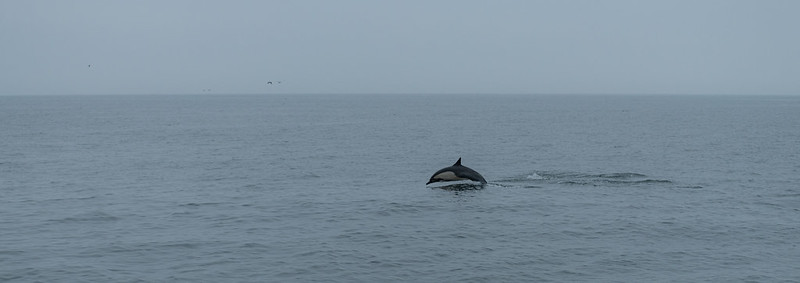
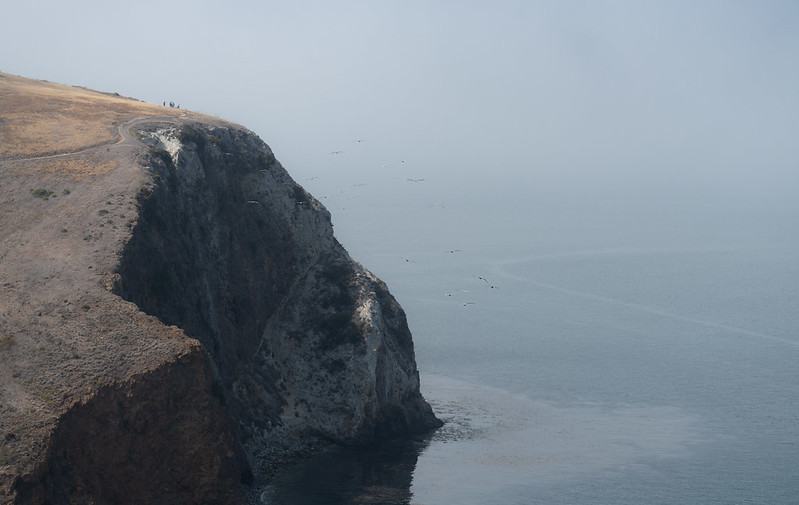
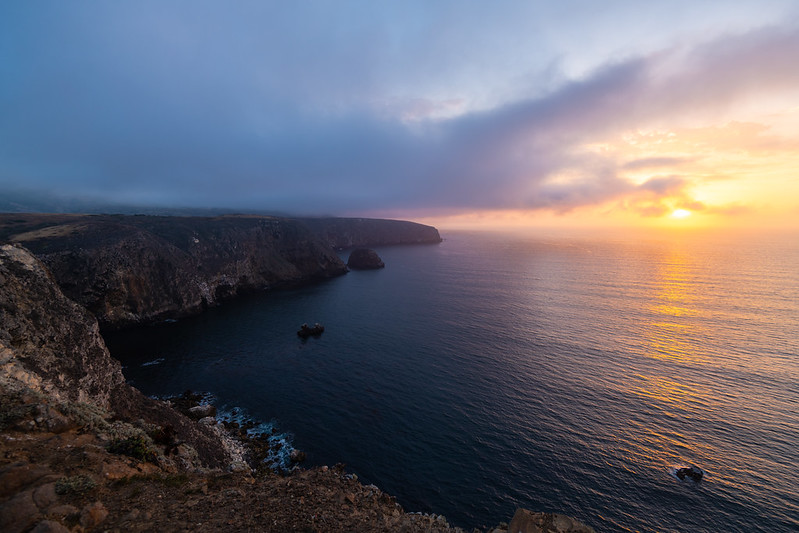
A dolphin breaching the water near Santa Cruz island A cliff towering the sea on Santa Cruz island Sunset on Santa Cruz island

All photos here.

Don't look north

We had planned to be in Colorado this past weekend, with a goal to be in Ouray for the Ice Festival. I’ve never been but Molly has been a regular attendee in the last few years and has been raving about it: the program consists of ice climbing clinics by day and competitions by night, and of talks given by climbing and moutaineering celebrities. Unfortunately, Omicron and the prospect of spending extended time indoors with people coming from all over the country didn’t make for espcially inviting cicumstances.

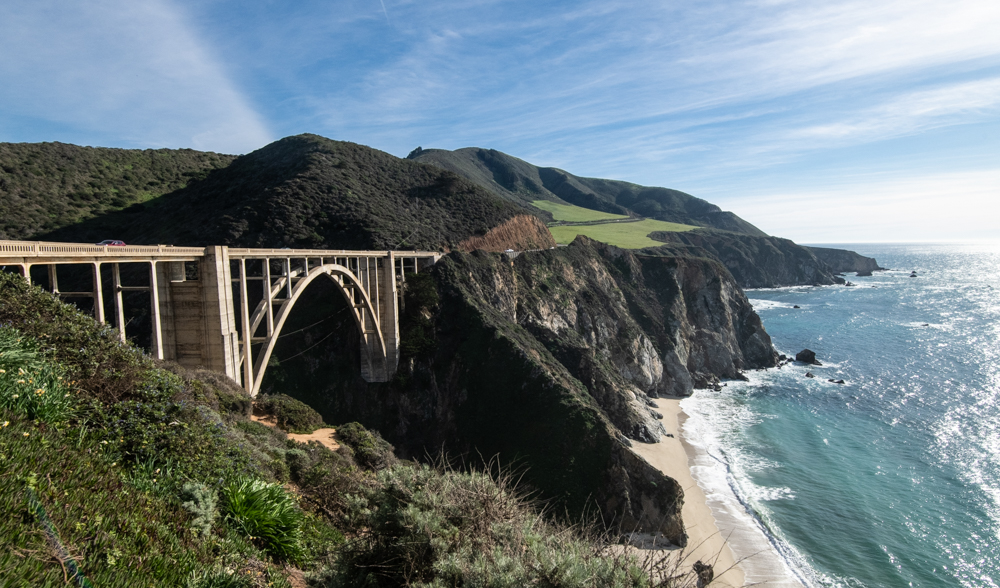
Instead, we decided to make it a second three-day week-end in a row and headed to Big Sur. In 15 years of living in the Bay Area, I had somehow never stopped by Bixby Bridge. By the time we got there, it looked abolutely glorious under the California winter sun:

The Bixby bridge

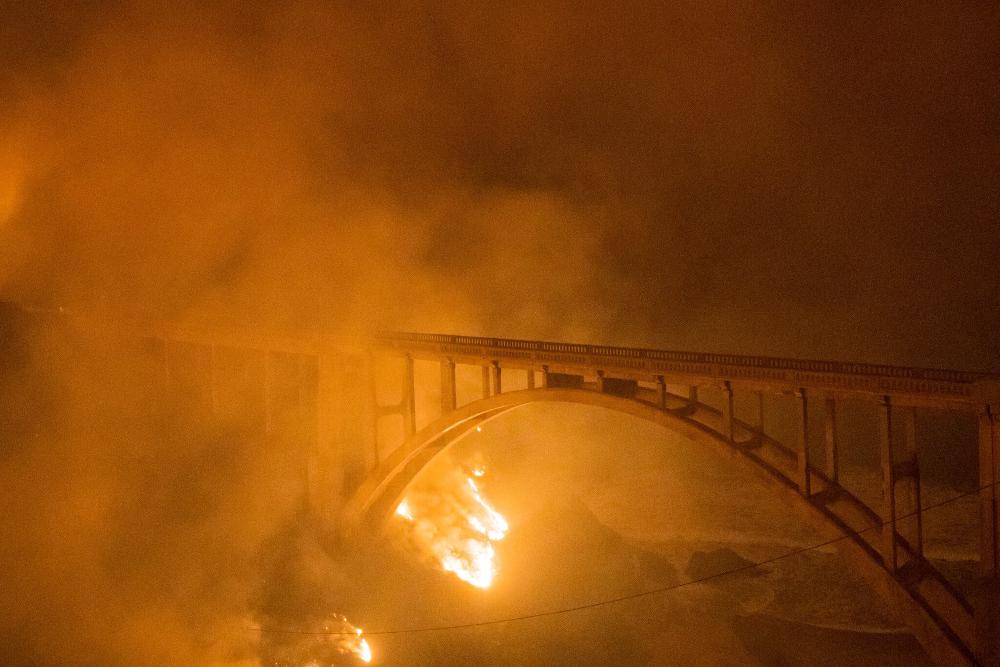
And about 36 hours later, it looked like this:

The Bixby bridge surrounded by fire
Credit: Nic Coury / AP (source)

We learned of the fire as we had just finished watching Don’t Look Up, which made for an eerie few minutes as we were transitioning back into the real world. The movie ridicules the postures of people —politicians, journalists, business people and, ultimately, folks from all walks of life— when confronted with a predictible tragedy.

The script is rumored to have been written in 2019 but it’s undoubtedly been reworked in light of the last two years of pandemic. Certain scenes triggered feelings of acute cringe for me because of how recent that scar tissue is (you could argue the wound remains open). The movie lacks subtletly in its delivery, but its depiction of corrupt, incompetent people being trusted with the utmost responsibilty is spot-on. It’s an apt blend of Idiocracy and Deep Impact, heavily influenced by the Trump presidency.

The plot also touches to a recurring argument about global warming: that looming disasters should only be dealt with at the condition that addressing them registers as a positive outcome for the economy. That, in due time, any time now, supply and demand will naturally rule in favor of the good side. And if that’s the case, why even bother building a moral sense that would assist in making policy decisions?

The fire ended up having only moderate impact on us — we were staying in Cambria, far enough south that the smoke didn’t reach us. We’d already driven through the section of Route 1 that was closed down — just a handful of hours ahead of the fire starting. Everything was fine, we just had to avoid looking north.

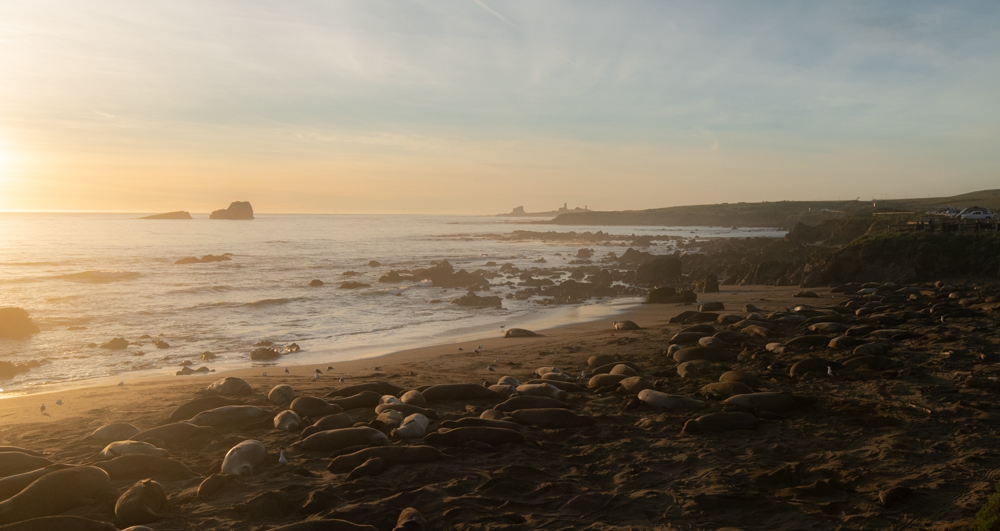
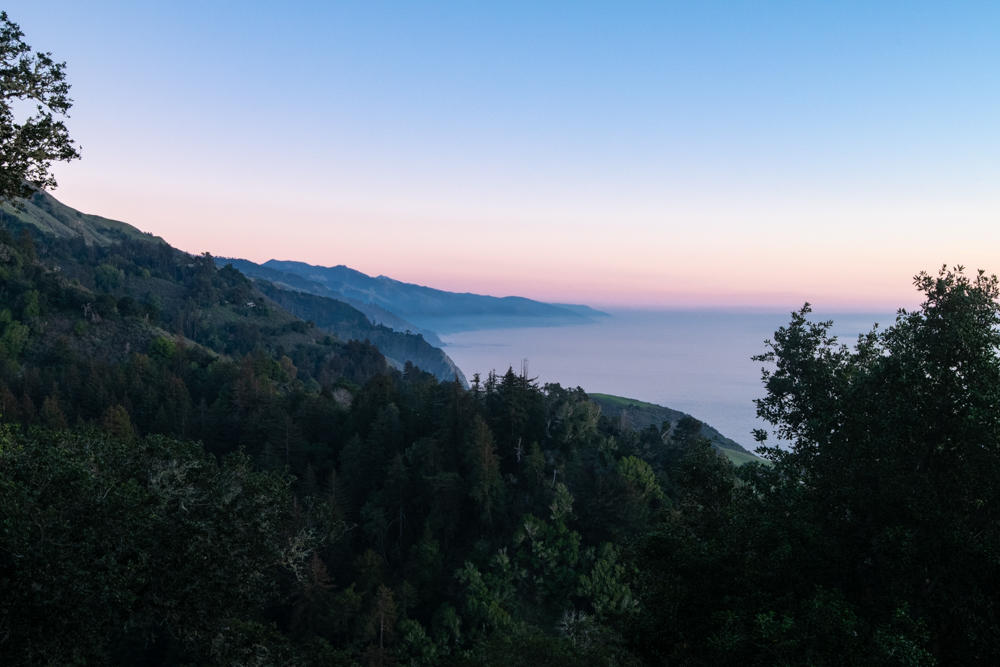
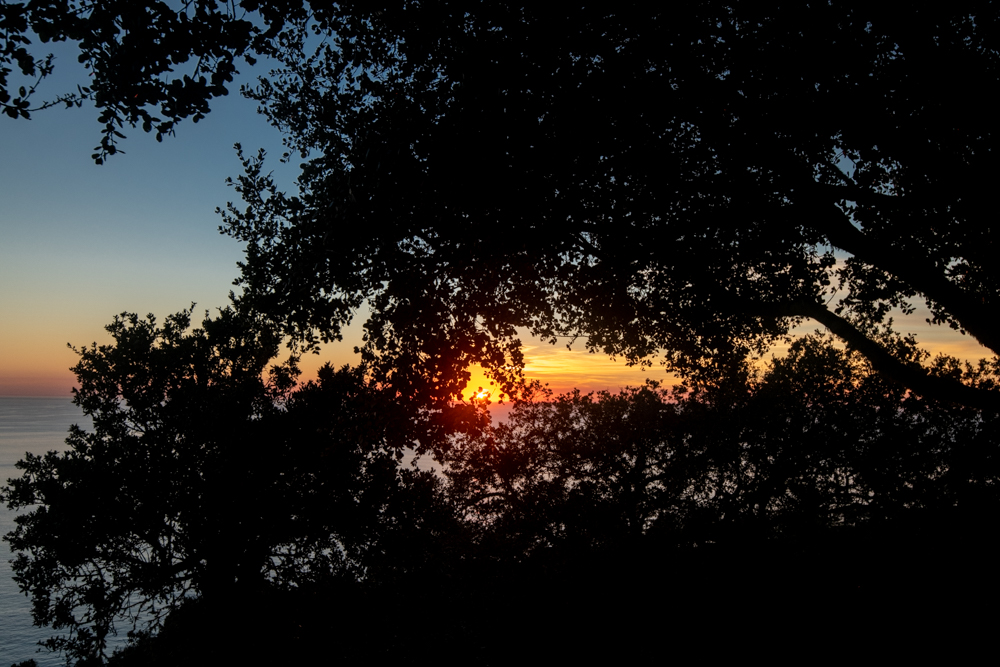
Seals on the beach at sunset The Big Sur coast, looking south from Nepenthe Sunset over the Pacific ocean, seen through the leaves of a tree

Weekly Log

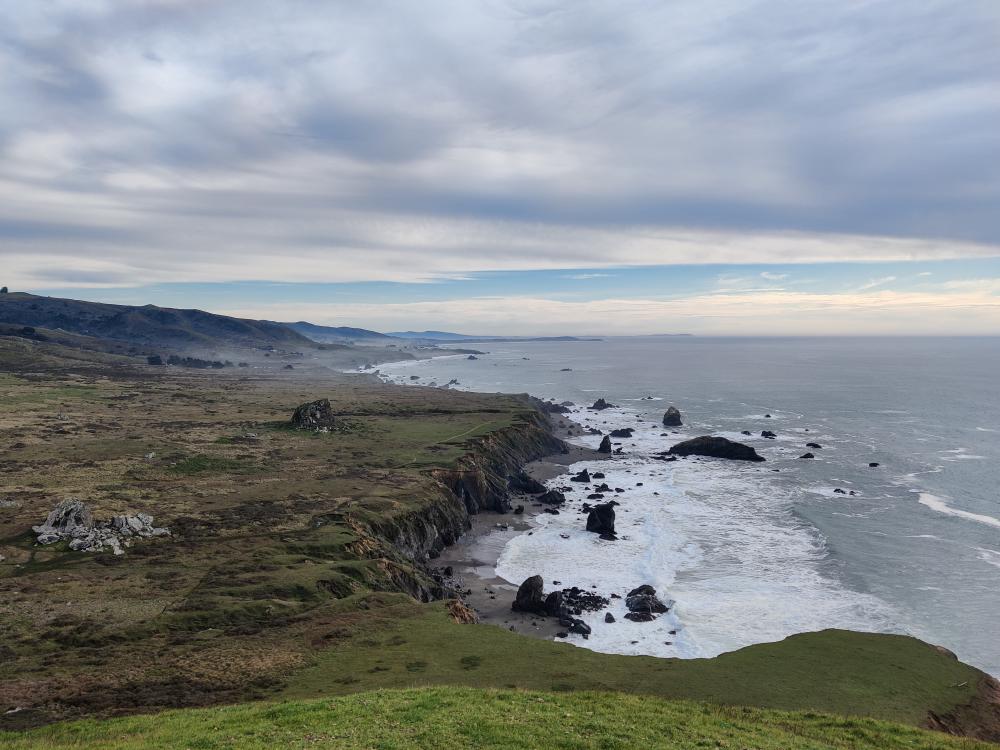
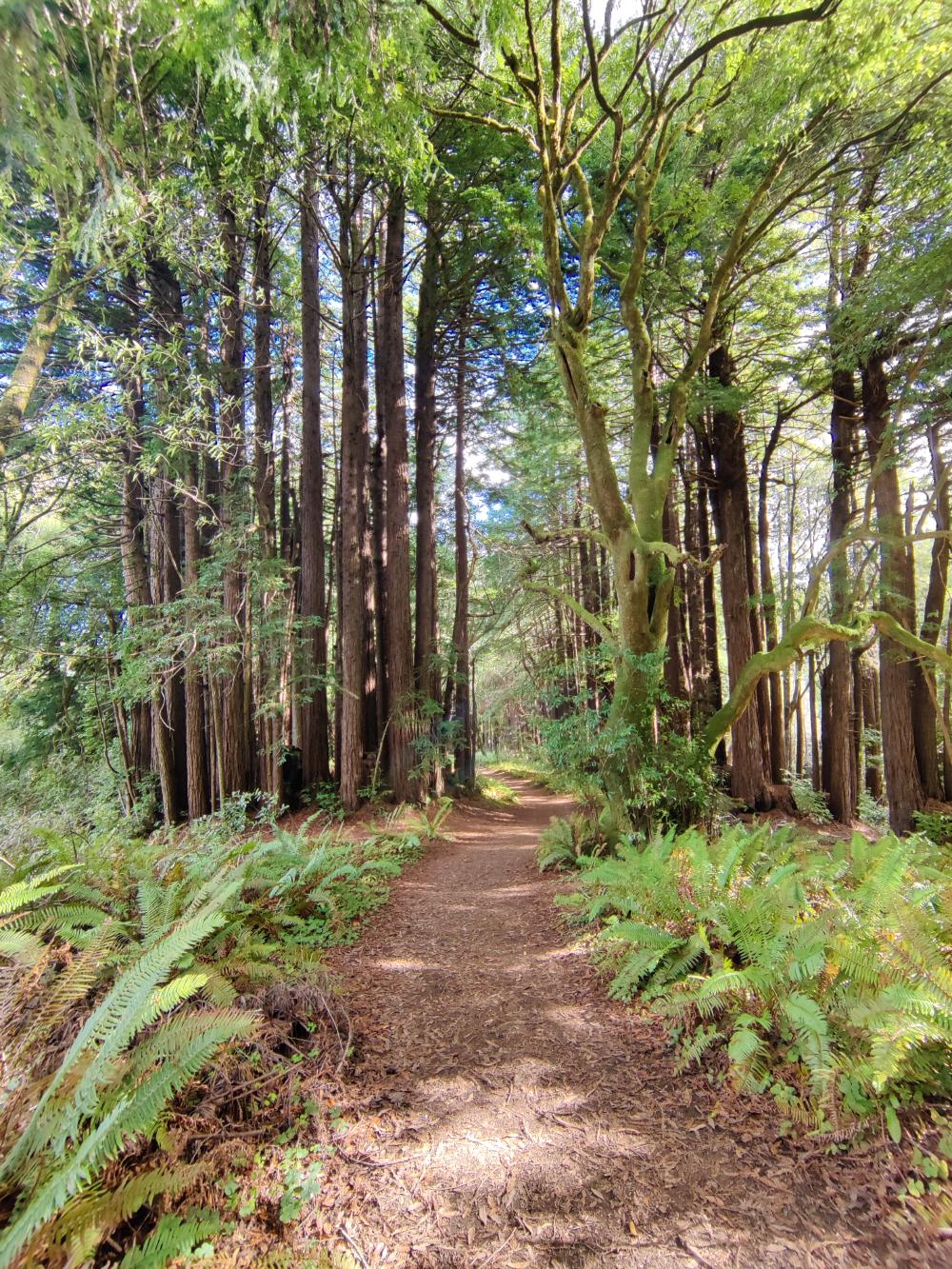
We skipped town last weekend as a friend was visiting from London and asked to spend some time in Marin county. We rented a house in Monte Rio, an area which I know well thanks to the Jonathan Pon memorial ride, which I used to do every year pre-pandemic. It’s a lovely region and the couple of hikes we did over the weekend were drop dead gorgeous: we took a stroll by Goat Rock Beach and did a 4.5 mile hike in Pomo Canyon trail the next day.

The Pacific coast, south of Jenner Woods along Red Hill trail

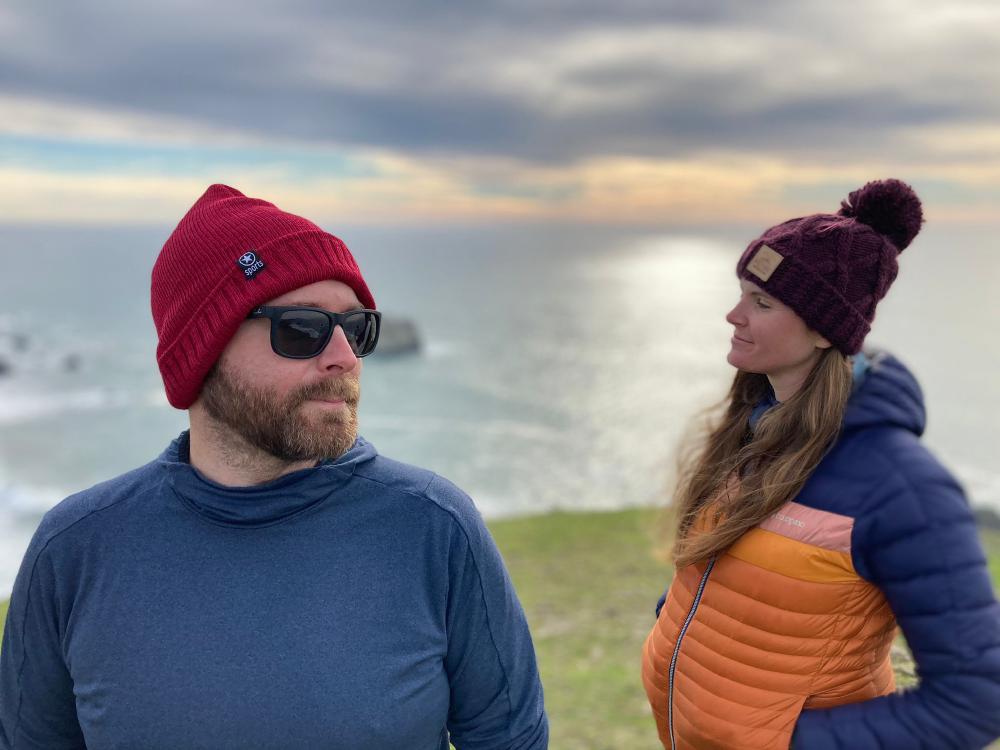
Also, this photo could totally be an album cover for an indie synth pop duo from 2008, back when people were always cold:

We are rockstars

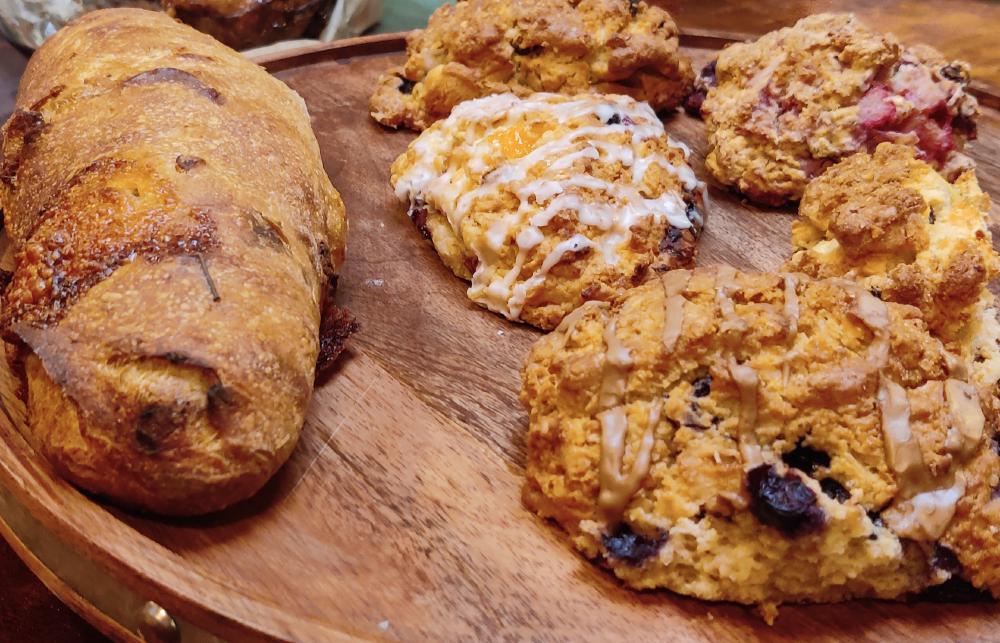
I was planning to ride my bike over that weekend and unfortunately forgot to pack in a pretty crucial item: my front wheel, which was left behind in San Francisco after we loaded the car. This was kinda sad as the weather was clement and Wildflour Bread made a perfect destination from Monte Rio. Either way, I still put myself on morning scone-getting duty. And sticky bun. And fougasse as well. Everything was thoroughly devoured.

Pastries from Wildflour Bread

I finally made a dent in my reading backlog: I went through the first two volumes of Bolchoï Arena. The graphic novel is somewhat remindful of eXistenZ, as it revisits the age-old theme of the boundary between real and virtual worlds. Volume 3 just came out and I placed an order right after finishing my reading. I also read the Atlantic’s issue on the January 6 attacks, which are presented as a blueprint for a massive upcoming assault from Republicans on US democracy.

At every level, it seems the GOP is lost in its own separate world and untethered from reality: the conspiracy theories are layering over one another, endlessly. But — and this is a pretty major but — the death cultists are purging the party from leaders who don’t support the Big Lie, and also organizing in many state-level election boards where they change the rules of how ballots are certified. An unlikely break from the madness this week was Trump himself calling his fans to get a Covid vaccine booster – a pragmatic move when a large majority of people who die of Covid every day are leaning red. It’s a pandemic is the unvaccinated and the unvaccinated vote donate to Trump.

Two days after asking Americans to honor the legacy of MLK (tweet), Sinema voted against changing the filibuster rules, which would in turn allow passing stronger voting rights at the federal level. The irony was not lost on anyone, not the least of which on MLK himself.

Inside, elsewhere

The last two months have been a very long decade.

By now, it’s sank in that we’re in this for the long haul. I recall only 3 months ago how suddenly the shift hit us; how we went from being free to roam to fully sheltered in place in a matter of weeks at best. One after the other, each of our places began putting up signs about practicing better hygiene, then restricting who could go in, then limiting the hours before finally locking their doors indefinitely.

We were able to say good bye to some of them. On the last lively Friday in San Francisco, Frances was still so packed we couldn’t get seated. I had my last class at Ruby’s the next day and wrapped my work tight. Even for a Sunday afternoon, Mission Cliffs was eerily empty.

By the time we heard of the city-wide sheltering order on the 16th, we rushed out to our respective offices to get our personal items — plants and stuff we thought we’d otherwise miss. A long line had already formed outside Trader Joe’s, so food and toilet paper would have to wait. The last stop that day was at Gamescape where we acquired a few highly-praised 2-player games. I insisted we went inside Comix Experience, to simply enjoy the existence of this place.

“After” and “normal” were words we could still utter with some degree of confidence and hope that there would be a natural return to whatever we had before.

The last two months have been a very long decade.

The United States have, if anything, deepened their divide. On top of a completely botched response from the federal state, the public is most definitely not having a debate about how a pandemic is the dumbest time to couple healthcare and employment.

By now, poor people of color are dying by the hundreds or thousands each day, so are the folks of New Orleans and New York. McConnell has vouched not to bail out blue states and Trump is asking for “something in return” if money was to be sent there.

The GOP is talking openly about letting people in left-leaning regions die, and everyone called it a Wednesday.

Trump cultists are swarming state Capitols across the nation, even entering the one in Michigan in combat gear, even sporting guns.

The last two months have been a very long decade.

I’ve been talking a lot with my folks in France — up to a point, the situation looked a lot more dire there than here. Their version of sheltering ended up being a lot more restrictive than anything in the U.S.: there is a strict set of reasons that justify going outside, one of them being exercising within a .6 mile radius around your home. Any violation will result in a $150 fine.

In 13 years of living in San Francisco, the distance between me and them has never felt stronger than today. I always thought I was a just day away, in case the situation required it. Even when travel bans are lifted, any roundtrip will incur a double quarantine and turn into a multi-month endeavour. I’m getting used and loathing the idea that I won’t get to see them this year.

I’m glad California responded as swiftly and broadly as it did. When the concept of flattening the curve was still a novel one, it was said that everything that works will, in hindsight, be seen as an overreaction. Without the shadow of a doubt, what Newsom and Breed did worked. Reports of COVID infections in the The Bay Area date back to late January, right around the Chinese new year. Yet the infection and death rate here are incredibly low compared to other regions of the U.S.

The instructions for sheltering are not fundamentally different between California and France, except for one: we here can still go out to chill — the act of going outside without an aim. Beaches and trails and parks throughout the state have remained open. I’m grateful that California recognized from the very beginning the need for people to enjoy the outdoors.

We’ve been going on bikes rides and runs and walks, sometimes to stay healthy, and sometimes to break the monotony of being homebound. 0.6 miles would never cut it. At a glance, it would be hard to tell apart the Panhandle today v. a couple of months ago. People are more evenly spread out on the grass, folks on the go wear masks, runners do a little 6ft dance as they pass by other walkers. Ball players who used to assemble in teams of 5 now practice solo shoots, each with their own ball.

We’re still free to roam around but we can’t actually go places. Oldenburg talked about places as an crucial element of social life. I miss all my places. I miss being inside, elsewhere.

The last two months have been a very long decade. By now, it’s sank in that we’re in this for the long haul. I suppose there’s a German word to mean both looking forward and being apprehensive of the future at the same time?
Pottery

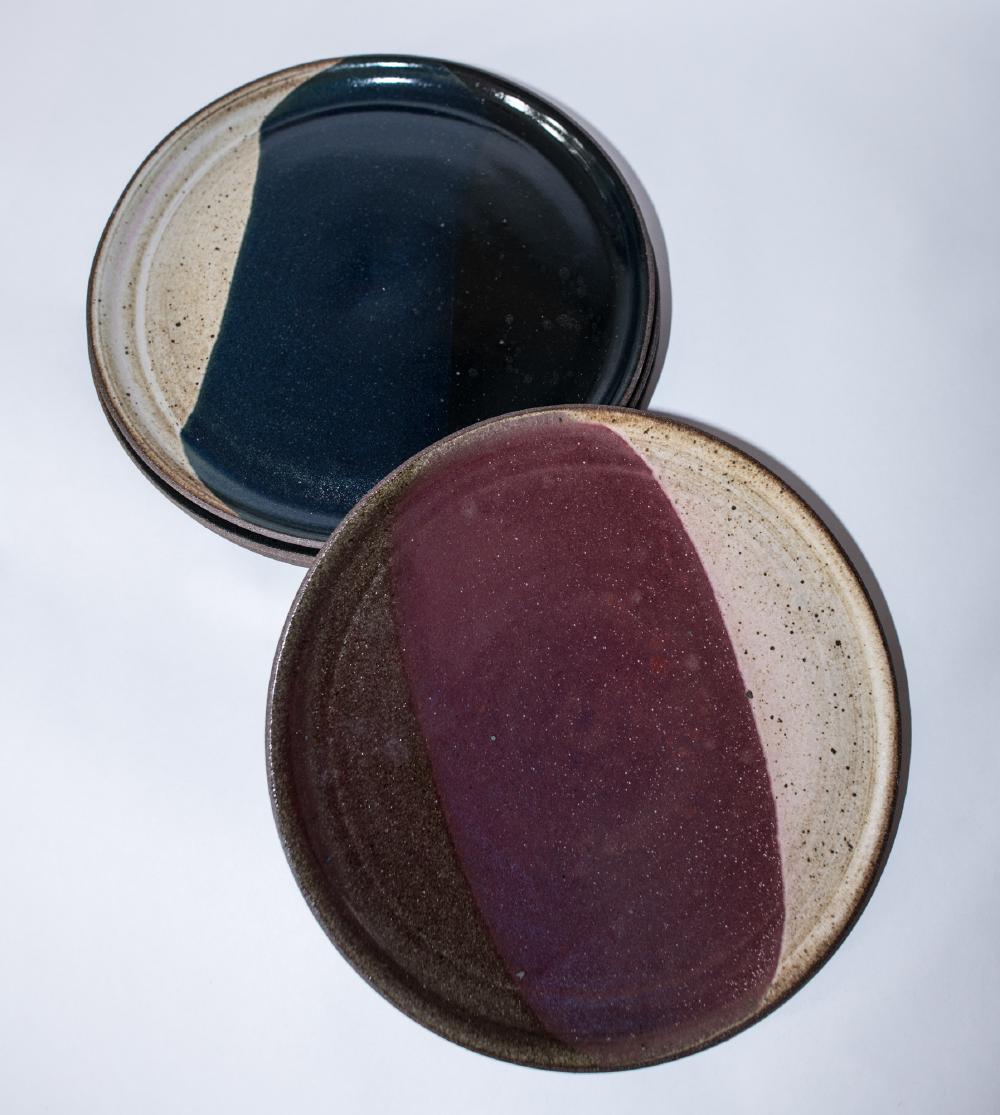
Almost two years ago, I registered for a pottery class. I can’t pinpoint why I ended picking up pottery specifically but there were a couple reasons why I made the decision to sign up for a craft class. Firstly, I had a feeling that I had never really made anything. I’ve built systems and written articles and cooked meals but there was novelty in the fact that something I would produce would be both tangible and lasting.

Dinner Plates

Secondly, it had been a long time since I had learned anything. More specifically, since I followed a learning process, listening to a teacher and working up from the fundamentals all the way to feeling like you get it and that you can get by.

Working with clay has been a rewarding experience and something that I ended building into my weekly routine. It’s very time-consuming but in a way where the investment pays off: you can watch a lot of videos of people making stuff but nothing beats putting in a few hours at the studio to get better. I tend to spend a large part of my Saturday working there, and one night a week after work.

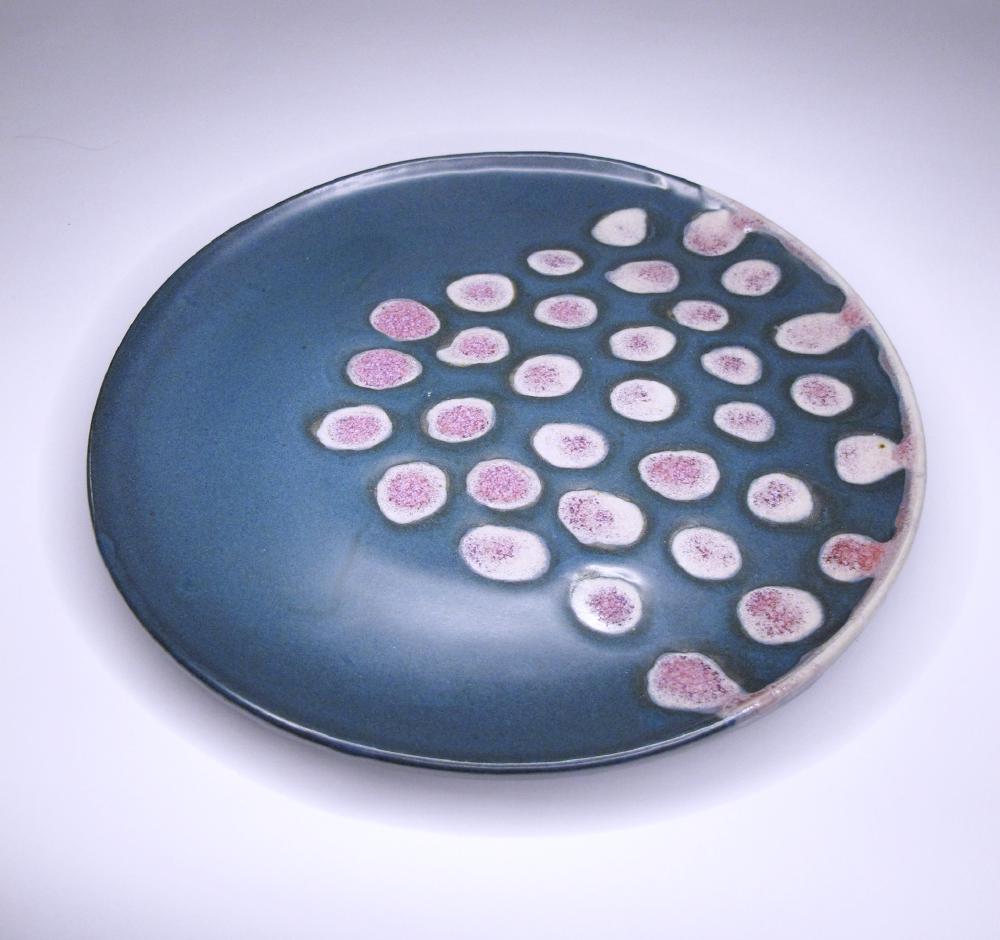
Blob Plate

I know full well that there is a new stereotype building up about 30-something men suddenly finding interest in clay or other craft-y activities. I can’t quite say if there is an influx of men compared to a few years ago but classes at the studio I attend do sell out very fast.

I can relate to what’s being said in those articles, especially the mental space pottery creates. Time spent in the studio does turn into what I would describe as peaceful focus. I’ve also started flipping up plates at restaurants to see the artist’s stamp or identify the clay body they worked with.

The process of working with ceramics is grounding and soothing. The number of steps and the time needed to go from a lump of clay to a finished piece delays the gratification for several weeks. The kiln gods will literally shatter a weak piece or turn its glaze into a rich color. When I told another student that I had accidentally broken one of her pieces, she responded by simply saying: “Clay is healing”.

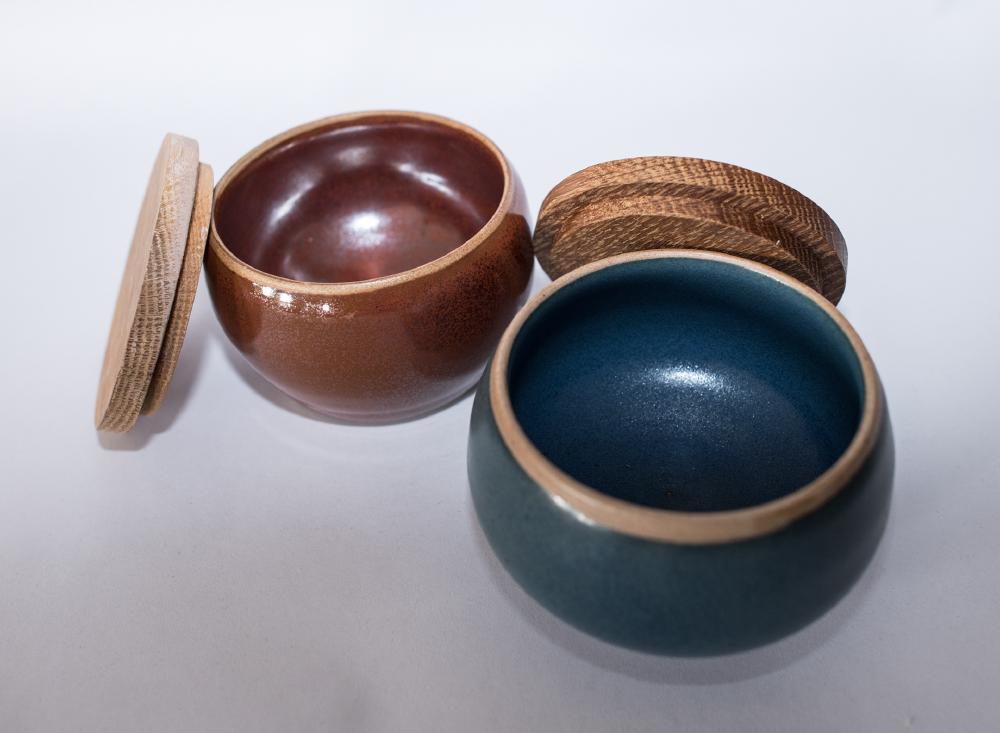
Desk Pots

I had come across Ruby’s years before taking the step to register, just walking randomly in the neighborhood. It’s an unkempt little community with old hippy vibes, balancing the space needed for artists to thrive and keeping things afloat as a non-profit. It’s everything you can expect to find when folks from all walks of life rally around a common craft since almost a century ago.

It’s a little intimidating to get past the small gallery space by the entrance. From it, you can peek at a bustling area where resident artists, drop-ins and students share wheels, wedging tables, drying shelves and all that’s needed for the art to happen. The amount of tribal knowledge about ceramics is immense and freely shared with anyone asking.

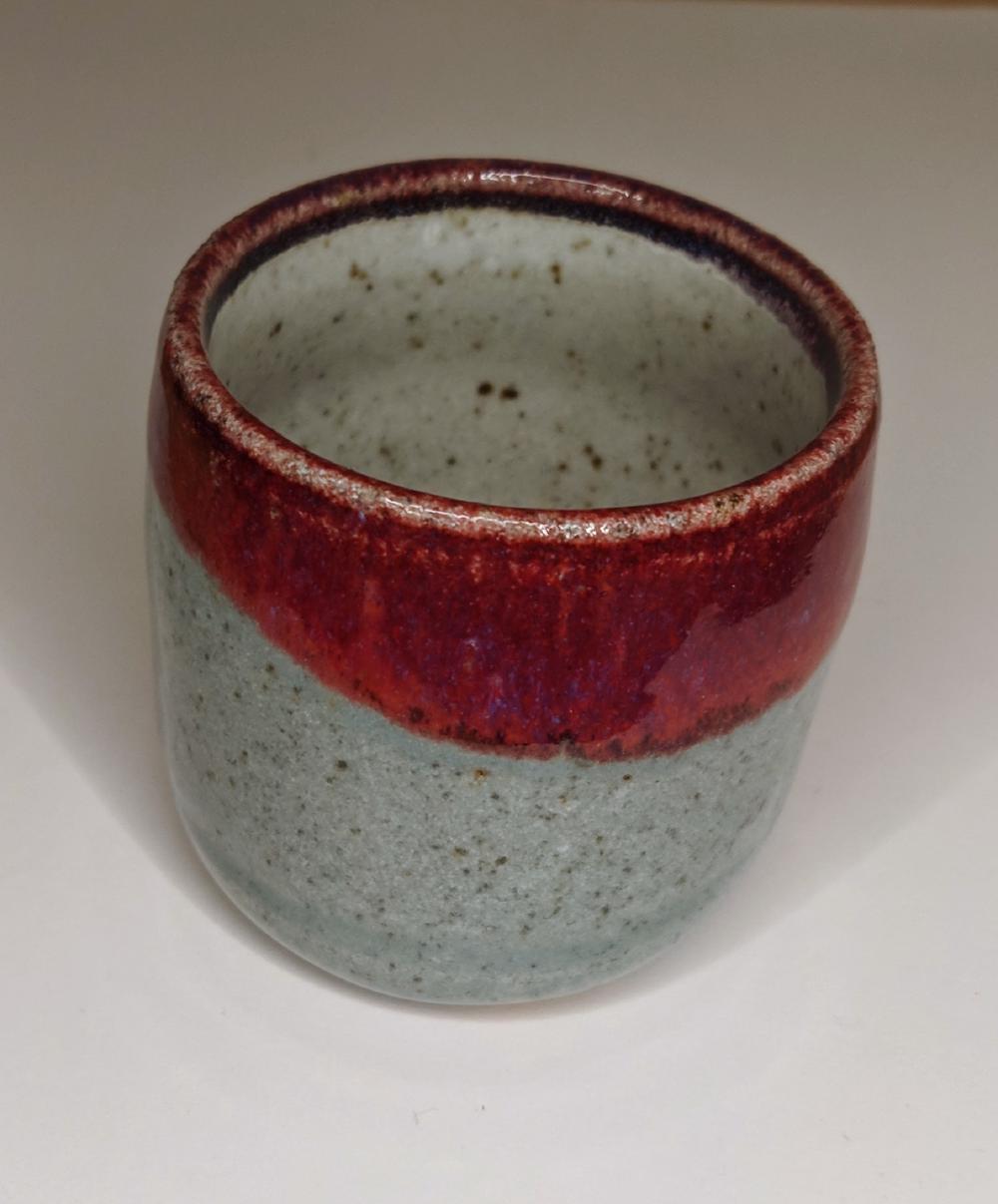
Sake cup

I got better and I got better at sucking, which is sort of what I was looking for. I used to keep around a lot of ugly stuff just as a proof that I had made something. These days, all the defects I throw make their way to the recycling bin without much hesitation. I got faster and more demanding. Along the way, I got to make some decent-looking stuff. If you’re interested in seeing more of my work, I post the production of each session on Behance.